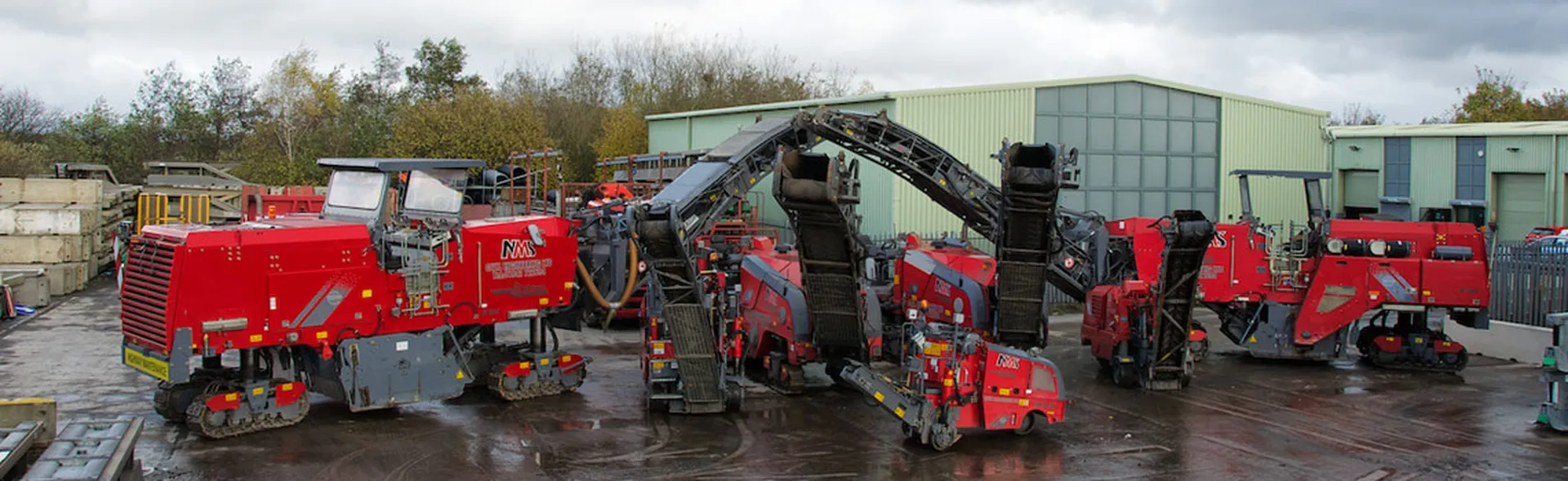

Surfacing & Cold Milling
- ClientKirklees Council
- Value£960,000
- DurationOctober 2021 - November 2021
Efficient construction of the new A66 roundabout with minimal disruption to pedestrians and road users
The project scope
In 2022 we started to measure carbon emissions of our individual projects using the EMIT construction carbon management software platform. This allows us to compile baseline carbon estimates for our projects during the planning stage, from which we can then track actual carbon emissions and target high emitting materials and activities to reduce project carbon footprint. This allows us to plan, track and monitor scope 1, 2 and 3 carbon emissions across all types of construction activity including:
-
Materials (Virgin, Reused and Recycled)
-
Plant and Machinery
-
Equipment
-
Transport of Staff, Plant and Materials (Road, Rail, Sea, and Air)
-
Utilities (Electricity, Gas, Water)
-
Waste Disposal
We used the EMIT software to plan, track, and target carbon reductions on our recent A62 Leeds Road resurfacing project at Mirfield, West Yorkshire. During the planning phase we estimated that the project carbon footprint would be 432 Te CO2e – with the largest emissions being from asphalt and operation of plant as shown below.
Successes
By using this data to target high carbon emitting materials and activities, we reduced the actual carbon footprint of the project to 357 TeCO2e – representing a reduction of 75 Te CO2e (17%). We achieved this 17% carbon reduction by:
- Increasing efficiency of our planing operations to reduce the planer running time (saving fuel).
- Reusing a larger proportion of ironwork (less virgin cast iron).
- Replacing standard hot mix asphalt with low temperature alternative (less carbon associated with the asphalt production/ heating process).
- Monitoring and minimising engine idling time across the plant and vehicle fleet (reduction in fuel consumption).
- Backhauling road planings using the asphalt delivery trucks (no empty loads resulting in less transport miles).
- Using our 13M wide paver to complete the project 2 weeks early (significantly reducing the project prelim carbon emissions such as staff transport, welfare, lighting etc).
By using our 13M wide paver, we were also able to reduce the number of surface joints, thereby increasing the service life of the road, meaning that the road will last longer between resurfacing – reducing the lifetime carbon footprint of the road even further.


Latest Case Studies
DSD Construction Services